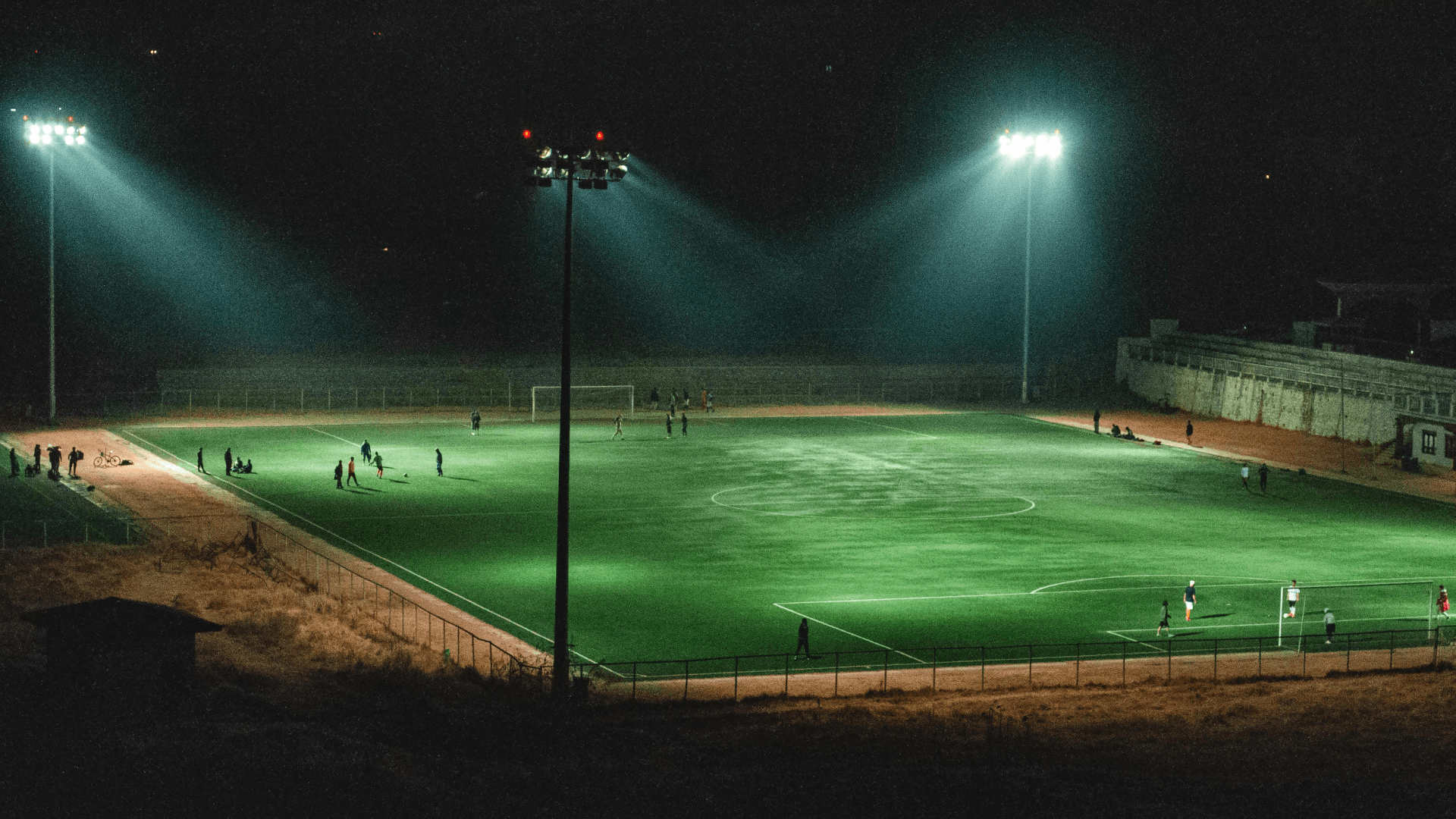
I’m not someone who watches football often, even though it’s everywhere in Brazil. But every now and then, a match will be on TV, and something catches my attention. The crowd erupts when a goal happens, that last, decisive touch. And it should. The goal is what changes the score.
But if you watch closely, the real story starts much earlier. The passes, the positioning, the shared understanding between players moving in sync before anything is decided. The defender who intercepted the play two minutes before. The midfielder who saw the open space and held the ball just long enough. By the time the scorer touches it, the goal is already mostly built. The finish belongs to one person. The play belongs to everyone.
I think about this often when a team I’m part of ships something. A feature goes live, an incident gets resolved, a launch lands well, and there’s a natural pull toward the visible: who built it, who closed it, who was in the room. That’s not wrong. But it’s incomplete.
What I’ve learned to look for, and try to name out loud, are the contributions that don’t make it into the record. The refactor that made someone else’s work possible three sprints later. The code review that caught something quietly before it became a problem. The message sent at the right moment that unblocked a person who was stuck and didn’t want to say so. These are the passes. They rarely appear in retrospectives. They almost never appear in recognition. But they are, more often than not, what made the result possible.
When I lead, one thing I actively try to build is the habit of seeing those moments and saying something about them. Not as a ritual, not as a performance of good culture. Because what a team learns to celebrate shapes what they learn to value. And if only the goals get applause, people quietly start to stop making passes.
The goal still deserves the cheer. That doesn’t change. But the play that built it deserves to be seen. In the best teams I’ve been part of, it is. Not because someone instituted a process for it, but because enough people made it a habit, one acknowledgment at a time. The next play is already being built. It helps to know the passes count.