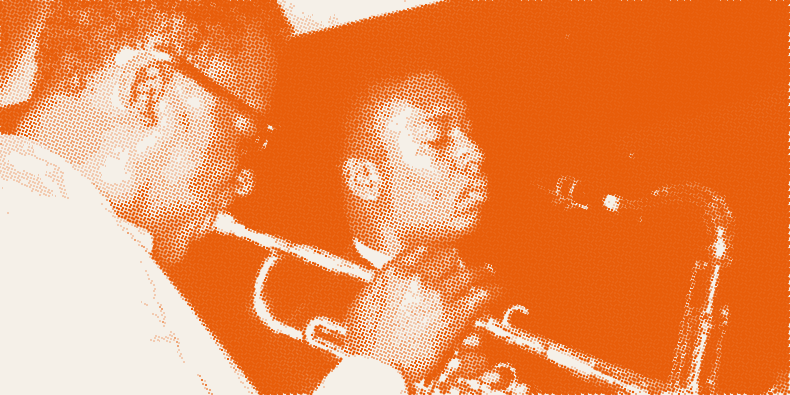
I was thinking of a jazz place in Brasília, Beco do Jazz. It’s a pity it’s closed now, but years ago I witnessed something there that stayed with me. Someone would start a solo, and the rest of the band instantly adjusted. Each player found their place, made room, kept the music intact. The soloist was free to explore. But that freedom carried weight. To act meant that everyone around you adapted, trusting you to hold up your end of the song.
A brilliant tech lead I worked with, Bruno Pedroso, once described something musicians do that I remember as “beginning together.” Without counting, without looking, sometimes without even hearing each other clearly, they just know when to start. They feel the shared pulse between them, and once one begins, the others join almost instinctively. It isn’t coordination in any mechanical sense. It’s trust built slowly, through practice and attention and a quiet respect for the whole.
That’s what engineering at its best actually feels like
People trusted to take initiative, explore unconventional paths, decide what’s worth trying. And accountable precisely because of that trust, not in spite of it. Every decision touches something else: another system, another person, another promise. Autonomy isn’t the freedom to act without consequence. It’s the responsibility to think carefully about what your choices will mean for everyone playing alongside you.
Things go wrong sometimes. That’s part of it. When they do, the question isn’t who missed the note. The question is whether the rest of the band keeps playing, adjusts, and finds its way back to the melody together. A team that handles mistakes well isn’t one that avoids them. It’s one that knows how to recover without losing the rhythm. When someone slips, the others don’t stop to point. They listen, step in, and help bring things back on track. What matters isn’t the mistake itself, but what the team does next.
That kind of recovery only happens when people feel safe to act in the first place. Not safe from consequences. Safe from blame as a reflex. There’s a real difference between those two things. One produces caution. The other produces music.
That’s what autonomy feels like when it works: a kind of music. Everyone plays with intention, aware of the rhythm that holds everything together. Some moments stand out, others fade quietly into the background, but it all serves the same song. And when it works, it’s not because anyone stood out. It’s because the music held together.